Zaveliq — Your Trusted Partner for Fast, Reliable & Seamless Currency Exchange
Before exchanging money or digital assets online, it is important to understand how to evaluate a platform, protect your account, and recognize common warning signs.
This guide covers practical steps that can help you approach online currency exchange more carefully.
Before creating an account, investigate the platform you intend to use.
Review its official website, company information, contact details, terms of service, privacy policy, and fee disclosures. If the service claims to be regulated or licensed, verify the claim through the relevant regulator's official records.
Do not rely only on promotional statements, testimonials, or screenshots shared on social media.
A trustworthy exchange experience should make the applicable transaction costs understandable before you commit.
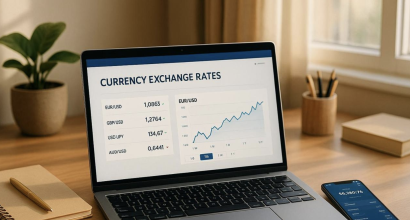
Check the quoted exchange rate, service fees, payment processing costs, and any withdrawal or network charges that may apply.
Be cautious when a platform promises exchange rates that appear significantly better than those offered elsewhere without a clear explanation.
Compare the final amount you will receive instead of focusing only on a headline rate or a claim of zero fees.
Account security starts with basic precautions.
Use a strong, unique password that you do not reuse on other websites. Enable two-factor authentication when available, preferably using a secure authentication method supported by the platform.
Never share your password, verification code, private key, or recovery phrase with anyone claiming to represent customer support.
Avoid logging into financial accounts through unfamiliar links sent by email, messaging applications, or social media.
Some exchange services request identity and address verification to comply with applicable legal requirements and manage fraud risks.
Before submitting documents, confirm that you are using the platform's genuine website and understand its privacy policy and verification requirements.
Your submitted information should be accurate and consistent with your documents. Never alter identification documents or provide false information to bypass verification.
If the service requests additional documentation, use its official support or verification process.
A small mistake can create significant problems, especially when transactions involve digital assets.
Before confirming a transaction, check:
The currency or digital asset you are sending.
The amount and quoted exchange rate.
The recipient's account details or wallet address.
The selected blockchain network, where applicable.
All applicable fees and the expected receiving amount.
The transaction limits and any cancellation restrictions.
For blockchain transfers, confirm that the recipient supports the selected network. Do not assume that two wallet addresses or assets are interchangeable just because they have similar names.
Be alert to warning signs such as guaranteed profits, fake customer support accounts, pressure to make immediate payments, and requests to pay additional money to unlock a supposedly completed transfer.
Other warning signs include websites that imitate established brands, unexplained changes to recipient details, and demands for remote access to your computer.
If something seems suspicious, pause the transaction and contact the provider through independently verified official channels.
Save your transaction confirmation, receipt, reference number, and relevant communication with the provider.
These records can help you track a payment, investigate a delay, or explain a transaction to customer support.
Never publish screenshots containing passwords, full identification details, account credentials, or other sensitive information.
Digital assets can involve price volatility, technical failures, liquidity limitations, scams, and restrictions on transfers or withdrawals.
Stablecoins are designed to track a reference asset, but they can still experience price deviations and issuer, platform, or network risks.
Only use services and transaction types that are legally available to you. Review the relevant local requirements before conducting currency exchange or digital asset transactions.
Safe online currency exchange requires research, careful verification, transparent pricing, and good account security. Taking time to check a platform before sending money can help reduce avoidable risks.
At Zaveliq, we believe users should be able to review relevant exchange information and transaction terms before making a decision. Always verify the details of the service you intend to use and contact official support if anything is unclear.