Zaveliq — Your Trusted Partner for Fast, Reliable & Seamless Currency Exchange
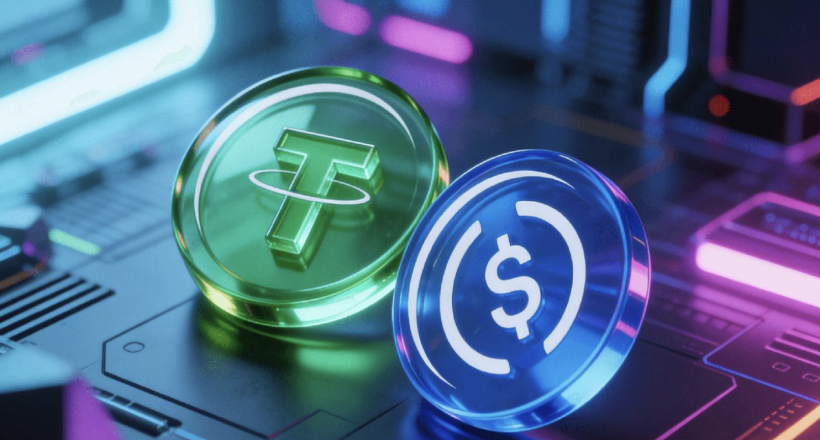
Two well-known stablecoins are USDT (Tether) and USDC (USD Coin). Both are designed to maintain a value close to one US dollar, but they differ in their issuers, reserve arrangements, disclosures, and availability across blockchain networks.
If you are researching digital currency exchange options, understanding these differences is a useful starting point.
USDT is a stablecoin issued by Tether. It is designed to track the value of the US dollar and is widely used across cryptocurrency exchanges and supported blockchain networks.
USDT can be used for eligible digital asset transactions, trading pairs, and transfers between compatible wallets or platforms.
However, its availability, transfer costs, and redemption conditions depend on the network and service being used.
USDC is a stablecoin issued by Circle through its applicable issuing entities. It is also designed to maintain a value close to one US dollar.
USDC is used across supported exchanges, wallets, payment applications, and blockchain networks. Its availability and functionality depend on the specific platform and network.
As with any digital asset, users should review the issuer's disclosures and the terms of the service they intend to use.
1. Issuer
USDT is issued by Tether, while USDC is issued by Circle through its applicable issuing entities.
2. Reserve Disclosures
Both issuers publish information about their reserve arrangements, but their reporting practices and documentation may differ. Review the latest official disclosures rather than relying on outdated summaries or social media claims.
3. Blockchain Availability
Both stablecoins are available on multiple blockchain networks, although the exact networks supported may differ by asset, exchange, and wallet.
Always confirm the network before sending a transaction. Selecting an incompatible network can result in delayed or lost funds.
4. Market Liquidity
USDT and USDC are widely used stablecoins, but liquidity and trading volume can vary by exchange, trading pair, and network. Check the actual market conditions on the platform you plan to use.
5. Fees and Transfer Speed
Neither stablecoin has one universal transfer fee or processing time. Network congestion, blockchain transaction fees, exchange withdrawal charges, and platform policies can all affect the final cost and delivery time.
Both assets are designed to maintain a value close to one US dollar. However, their market prices can move above or below that level.
A stablecoin is not identical to a bank deposit or government-issued currency. Its value can be affected by liquidity conditions, market confidence, redemption arrangements, issuer-related risks, and regulatory developments.
Users should understand these risks before purchasing or transferring digital assets.
The right option depends on your intended use.
Consider these questions:
Which stablecoin does your exchange or recipient accept?
Does the platform support the exact blockchain network you intend to use?
What are the deposit, withdrawal, and transaction fees?
Can you access the asset through a service available in your country?
Have you reviewed the issuer's disclosures and the platform's terms?
Do not choose a stablecoin based only on its name or popularity. Check the actual conditions of your intended transaction.
Always verify the receiving address and blockchain network before sending stablecoins. Start with a small test transaction when appropriate and practical.
Use reputable services, enable available account security features, and keep your recovery credentials private. Never share your private keys or recovery phrase with another person.
Remember that blockchain transfers are generally difficult or impossible to reverse once confirmed.
USDT and USDC are two major stablecoins with similar goals but different issuers and operational arrangements. Understanding network compatibility, fees, liquidity, reserve disclosures, and platform support can help you make a more informed decision.
Zaveliq encourages users to review all applicable fees, supported assets, and transaction conditions before using any digital currency exchange service. Stablecoins carry risks and should not be treated as risk-free cash.